2026 World Cup Host City Climate Burden Study: All 16 Venues Ranked (2026)
Which Host Cities Carry the Heaviest Load?
The 2026 World Cup runs across 16 cities in the US, Canada, and Mexico from June through July. An estimated 5.9 billion people will follow it.
We looked at five things for each venue: how dangerous the summer heat is, how carbon-heavy the local electricity grid is, how drought-stressed the city's water supply already is, how exposed the stadium is to flooding, and how much waste ends up in landfill after a sold-out match.
We combined those five measures into a single Burden Score for each city. Higher score means greater environmental pressure on the host community.
The headline finding: Miami ranks 3rd with the highest flood risk of any venue and 8 matches in Atlantic hurricane season — yet no published investment plan exists for the venue. Houston and Dallas, ranked 1st and 2nd, both have committed plans.
Extreme heat changes how soccer is played. It slows players, increases stoppages, and creates unpredictable in-game swings.
Key Findings
- Houston ranks 1st, Dallas 2nd. Both Texas cities record July heat levels that sports doctors classify as dangerous for competition. Both run on a coal-heavy electricity grid and together host 17 matches at the peak of summer.
- Miami ranks 3rd. The flood risk around Hard Rock Stadium scores 8.1 out of 10 — the highest of any host venue. Its 8 matches fall directly in hurricane season. No published investment plan exists for the venue.
- Kansas City produces 79 times more electricity-related carbon than Vancouver. One Arrowhead match: 39.7 tonnes of CO2 from the grid. One BC Place match: 0.5 tonnes. Same tournament, same energy demand, completely different grid.
- Mexico City generates more landfill waste per match than any other venue. One sold-out Azteca match fills 20 garbage trucks with unrecycled waste, in a city that recycles just 15% of what it collects.
- Los Angeles and Mexico City are in severe drought. Both score Extremely High on the global water stress index. Together they host 13 matches during peak dry season.
- 10 of the 16 venues have no published climate investment plan — including Miami, Los Angeles, Philadelphia, and both Canadian cities.
The Top 10 Most Climate-Burdened Venues
1 NRG Stadium — Houston, Texas
8 matches · Burden Score: 100
Houston leads the ranking. In July, the heat and humidity combined reach a level that sports medicine experts classify as dangerous — the point at which outdoor athletic competition should stop.
It is not just hot. It is the kind of humid, suffocating heat where the human body struggles to cool itself even at rest. Players competing for 90 minutes in those conditions face genuine health risk.
The electricity grid here is one of the most coal and gas dependent in North America. Running the stadium for one match produces 28.2 tonnes of CO2 from electricity alone — the same as powering 82 American homes for a full month. The city recycles just 19% of its waste. A $46.4 million climate investment plan has been committed.
2 AT&T Stadium — Dallas, Texas
9 matches — joint most of any venue · Burden Score: 98.5
Dallas records the highest July heat reading in the dataset. The city averages 37 days per year above 95°F.
AT&T Stadium is the joint-largest venue in the tournament and hosts more matches than anyone else. One match here generates 31.2 tonnes of carbon from electricity — enough to power 91 American homes for a month. A $59.4 million investment plan has been committed, the largest single amount of any city in the tournament.

3 Hard Rock Stadium — Miami, Florida
8 matches during hurricane season · Burden Score: 95.4
Miami ranks 3rd. The July heat index hits 28.1°C — above the level sports doctors say is dangerous for outdoor competition. But heat is not the main risk here. Flooding is.
Hard Rock Stadium has a property flood risk score of 8.1 out of 10 — the highest of any host venue. That figure comes from First Street Foundation, a US non-profit that models flood exposure for every American property. It means more than 8% of the properties surrounding the stadium face materially increased flood risk.
All 8 Miami matches are in June and July — the start of Atlantic hurricane season. A serious storm during that window would threaten the stadium, surrounding infrastructure, and tens of thousands of fans.
Climate experts have estimated the venue needs $25 to $35 million in flood and storm protection. At 65,326 seats, that works out to roughly $459 per seat. Miami does not appear in any publicly available investment plan for the tournament.
4 Estadio BBVA — Guadalupe, Mexico
5 matches · Burden Score: 94.1
Guadalupe sits in Mexico's industrial north, in the greater Monterrey area. The city already draws close to its maximum sustainable water supply before the tournament adds any extra demand — scoring 4.7 out of 5 on the World Resources Institute's global water stress index.
The city recycles just 12% of its waste, one of the lowest rates of any host city. Mexico's electricity grid is more carbon-intensive than most of North America. A $12 million investment plan has been committed for this venue.
5 Arrowhead Stadium — Kansas City, Missouri
7 matches · Burden Score: 85.7
Kansas City sits on the most carbon-intensive electricity grid of any 2026 host. The grid that covers this part of the US runs primarily on coal and natural gas, producing 0.52 kg of carbon for every kilowatt-hour of electricity.
Vancouver's grid produces 0.01 kg per kilowatt-hour — almost entirely from renewable hydropower. One match in Kansas City generates 39.7 tonnes of carbon from electricity alone. One match in Vancouver generates 0.5 tonnes. The same tournament. 79 times the carbon cost.
The July heat index also sits at 26.8°C — just above the 26°C threshold that FIFA identifies as requiring action. A $15 million investment plan has been committed.

6 Estadio Akron — Guadalajara, Mexico
5 matches · Burden Score: 78.0
Guadalajara has lower summer temperatures than most hosts. Water and waste push it into the top half of the ranking.
The city scores 4.5 out of 5 on the global water stress index and has the lowest recycling rate of any host city at just 10%. The tournament adds meaningful water demand to a region already managing a long-term scarcity problem.
7 Estadio Azteca — Mexico City, Mexico
5 matches · Burden Score: 77.9
Mexico City has the lowest summer temperatures of any host — it sits more than 7,000 feet above sea level. Everything else about it pushes it up this ranking.
The city's water situation is one of the most serious of any major urban area on earth. Mexico City draws from an underground aquifer that has been severely over-extracted for decades. The ground itself is sinking — by several centimetres per year in some areas — as water is pumped from below. The World Resources Institute scores the city at 4.9 out of 5 on water stress, the highest of any host city.
On waste, Azteca is the worst venue in the dataset. At 87,523 seats, one sold-out match generates 409,170 lbs of waste — with just 15% recycled. That is 20 garbage trucks of unrecycled rubbish per match, and over 2 million lbs going to landfill across 5 scheduled games.
8 Mercedes-Benz Stadium — Atlanta, Georgia
8 matches · Burden Score: 76.8
Atlanta ranks 8th with a July heat index of 26.1°C — just over the 26°C threshold FIFA identifies as requiring action.
What makes it different from other venues with similar heat is the stadium itself. Mercedes-Benz Stadium holds a LEED Platinum certification, the highest green building standard, and has a 680,000-gallon rainwater harvesting tank built into the structure. Both reduce the waste and water burden meaningfully. A $17 million investment plan has been committed.
9 Lincoln Financial Field — Philadelphia, Pennsylvania
7 matches · Burden Score: 66.5
Philadelphia ranks 9th with a July heat index of 25.3°C — just below FIFA's threshold. The bigger concern is flooding.
The Northeast United States has seen extreme rainfall events increase by 53% compared to historical norms. Flash flooding in the region can overwhelm city drainage systems rapidly, affecting hundreds of thousands of commuters and visitors during a tournament window.
10 SoFi Stadium — Los Angeles, California
8 matches · Burden Score: 56.8
Los Angeles has a mild July heat index of 23.1°C — well below the danger threshold. But the city scores 4.8 out of 5 on the global water stress index. Southern California has been managing chronic drought for years, and the tournament adds significant extra demand at the peak of the dry season.
The good news: California's electricity grid is significantly cleaner than Texas or the Midwest, and LA recycles 76% of its waste — one of the highest rates in the dataset. Those two factors pull the overall burden score down considerably. Still, no investment plan has been published for this venue.
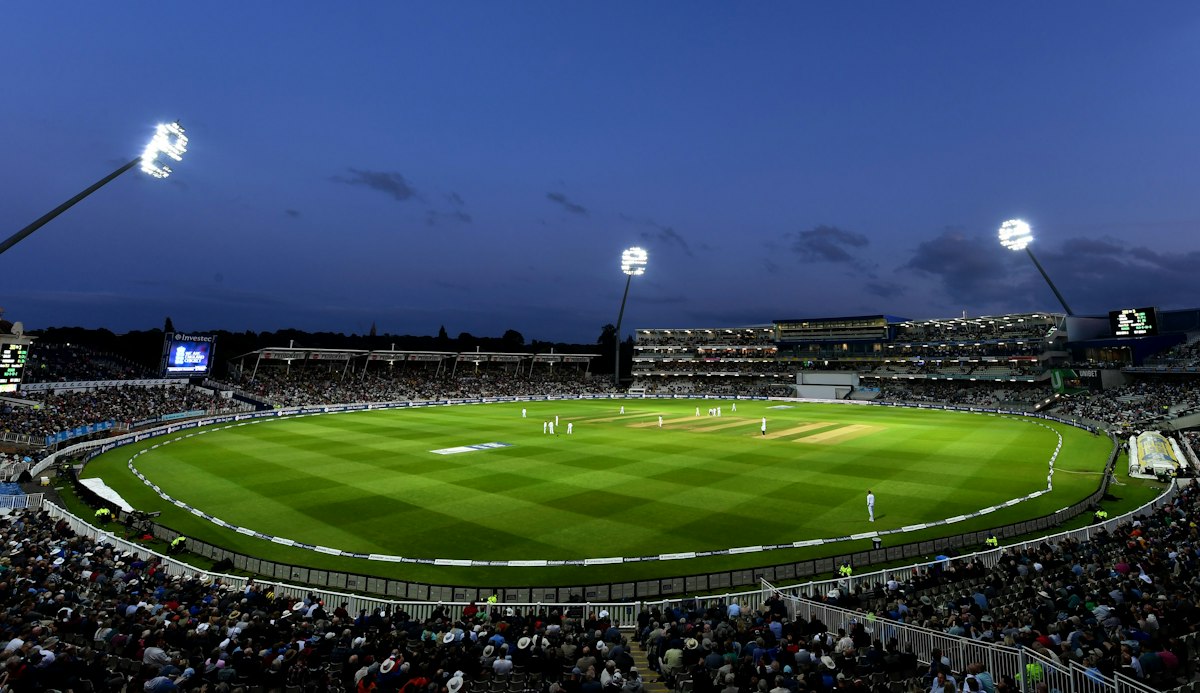
Same Tournament, 79 Times the Carbon Cost
Every stadium in this tournament runs air conditioning, floodlights, and full concession operations during each match. The energy demand is broadly comparable. The carbon cost is not.
Kansas City's grid runs on coal and gas. Vancouver's is 98% renewable hydropower. One match in Kansas City produces 39.7 tonnes of carbon from electricity. One match in Vancouver produces 0.5 tonnes.
The fixture looks identical on the schedule. The environmental footprint is 79 times larger in Kansas City.
| Venue | Carbon from electricity per match | What powers the grid |
|---|---|---|
| Arrowhead Stadium — Kansas City | 39.7 tonnes CO2 | Primarily coal and gas |
| Estadio Azteca — Mexico City | 39.4 tonnes CO2 | Mexico national grid |
| AT&T Stadium — Dallas | 31.2 tonnes CO2 | Texas coal and gas grid |
| Mercedes-Benz — Atlanta | 29.1 tonnes CO2 | Southeast US grid |
| Gillette Stadium — Boston | 14.5 tonnes CO2 | New England grid |
| BMO Field — Toronto | 1.8 tonnes CO2 | Nuclear and hydro |
| BC Place — Vancouver | 0.5 tonnes CO2 | 98% renewable hydro |
The four lowest-carbon venues — Vancouver, Seattle, Toronto, and Boston — are all in the Pacific Northwest or northeast. The highest are all in Texas and central Mexico. The grid determines the carbon cost. The venues themselves have limited control over it.
Expert Comment
"When people think about the environmental impact of a major sporting event, they usually focus on the tournament as a whole. What often gets overlooked is how differently that impact can be experienced from one host city to another."
"Some venues face extreme summer heat. Others are dealing with water scarcity, flood exposure, or carbon-intensive electricity systems. The challenges are not the same everywhere, which means the burden placed on local infrastructure and communities is not evenly distributed."
"One of the clearest findings from this study is that two matches can look identical on the fixture list while carrying very different environmental costs behind the scenes. Factors such as local climate, energy sources, and waste management systems can dramatically change a venue's footprint."
"Understanding those differences helps paint a more complete picture of how global events interact with the places that host them. It moves the conversation beyond total emissions and towards the local realities facing each city during the tournament."
Action Network Data Analyst
The Bottom Line
Houston and Dallas carry the heaviest burden — dangerous heat, a dirty grid, large stadiums, and more matches than anyone else. Both cities have committed investment plans.
Miami is third. Worst flood risk in the tournament, hurricane season, no published plan.
At the other end, Vancouver, Seattle, and Toronto benefit from clean electricity and lower summer temperatures. The gap between top and bottom in this ranking is wide — and it matters for players, for local communities, and for anyone tracking how venue conditions shape what happens on the pitch.
The fixture list runs to June and July. So does hurricane season.
How We Built This Index
The five measures. For each of the 16 host venues we looked at: July combined heat and humidity index, carbon intensity of the local electricity grid, baseline water stress (World Resources Institute score 0–5), flood risk (property and road exposure scored out of 10), and estimated volume of waste going to landfill per sold-out match.
The scoring. We scaled each measure to a 0–100 range across all 16 venues, then weighted them: heat 25%, grid carbon 25%, water stress 20%, flood risk 15%, waste 15%. The city with the highest combined score is set to 100 and all others are relative to that.
Where the data comes from. Heat and flood data for Miami, New York, and San Francisco come from First Street Foundation. Investment plan data and heat risk classifications come from a July 2025 report by Scientists for Global Responsibility, the Environmental Defense Fund, and Cool Down. Grid carbon figures come from the US EPA's eGRID database (2022), the International Energy Agency, and local grid operators for Canadian venues. Water stress from the World Resources Institute Aqueduct Atlas. City recycling rates from municipal government reports. Venue capacity and match counts from public tournament records. For 13 venues where independent flood data was not available, we used modelled estimates based on location and the risk descriptions in the 2025 report. Data verified May 2026.
Sources
- FIFA Climate Blind Spot report — Scientists for Global Responsibility, Environmental Defense Fund, Cool Down. New Weather Institute, July 2025
- US Environmental Protection Agency — eGRID Electricity Emissions Database 2022
- World Resources Institute — Aqueduct Water Risk Atlas 4.0
- International Energy Agency — Electricity Information 2022
- BC Hydro — Sustainability Report 2022
- Environment and Climate Change Canada — Ontario grid emissions 2022
- US EPA — Greenhouse Gas Equivalencies Calculator 2025
- US Energy Information Administration — Residential Energy Survey 2022
- First Street Foundation — Flood Factor Risk Model
- Wikipedia — 2026 FIFA World Cup venues and match allocations
- Action Network 2026 World Cup Climate Burden Study — full dataset, scoring methodology, and per-venue data