Houston Beats New York. Guadalajara Beats Everyone. Here Is the Full Ranking.
16 Cities. 80 Dishes. One Tournament.
The 2026 World Cup spans 16 host cities across three countries. For travelling fans, it is also a tour through 16 completely different food cultures.
Canada Sports Betting scored the hero dish of every host city on source frequency, local support, tourist recognition, city-specificity, and cultural significance. The result is a ranking of which cities offer food you genuinely cannot get anywhere else.
New York pizza and LA tacos are iconic. They also belong to the world now. Viet-Cajun crawfish belongs to Houston. That is why Houston finishes second and New York finishes 15th.
Key Findings
- Guadalajara #1. The torta ahogada requires birote bread that can only be made in Guadalajara. No other World Cup city has a defining dish this locked to one place.
- Houston #2, above NYC and LA. Viet-Cajun crawfish — a Vietnamese-Cajun fusion born in Houston's immigrant communities — scores higher on city-specificity than any dish from either coastal giant.
- Kansas City #4, above Philadelphia. Burnt ends were once given away free at Arthur Bryant's. They are now the most barbecue-specific food in the tournament.
- Both Canadian cities rank top 10. Toronto is 6th (peameal bacon sandwich, St. Lawrence Market). Vancouver is 10th (Japadog, invented on the city's streets in 2005).
- Mexico's three cities have zero food overlap. Guadalajara, Monterrey and Mexico City each have a completely distinct food identity — not one dish appears in more than one Mexican city's profile.
- New York 15th. Los Angeles 16th. Pizza and tacos are iconic — but they belong to the world now, not to one city. That is why the most famous food cities finish last.
The World Cup 2026 Taste Guide: Every Host City Ranked by Food Uniqueness
The torta ahogada is a carnitas roll submerged in fiery chile de árbol sauce. What makes it impossible to replicate is the bread — birote rises differently at Guadalajara's altitude and humidity, and bakers in other cities have tried and failed to copy it.
Guadalajara is also the original home of birria, long before it appeared on menus in Los Angeles and London. A food city that is deeply distinctive and almost entirely unknown outside Mexico.

:max_bytes(150000):strip_icc()/282114-Beef-Birria-Queso-Tacos-with-Consomme-3x4-278-d572757717264004b2f5b502f2ecde31.jpg)

:max_bytes(150000):strip_icc()/tejuino_main_720x720-3fe812388bb941d4af7599ba5125008b.jpg)
Viet-Cajun crawfish emerged from Houston's Vietnamese community in the 1990s — Louisiana boiling technique meets lemongrass, garlic butter, and fish sauce. It could only exist in a city where Vietnamese fishermen, Gulf Coast seafood, and Cajun spice culture share the same neighbourhoods.
Ordering a boil at a place like Crawfish and Noodles is less a meal and more an event. No other dish in the tournament is this specifically American and this specifically not American at the same time.


:max_bytes(150000):strip_icc()/268998-texas-sausage-kolaches-klobasneks-humblepieliving-003-4x3-37c7b5b770fc4db28413f7acceab76d5.jpg)
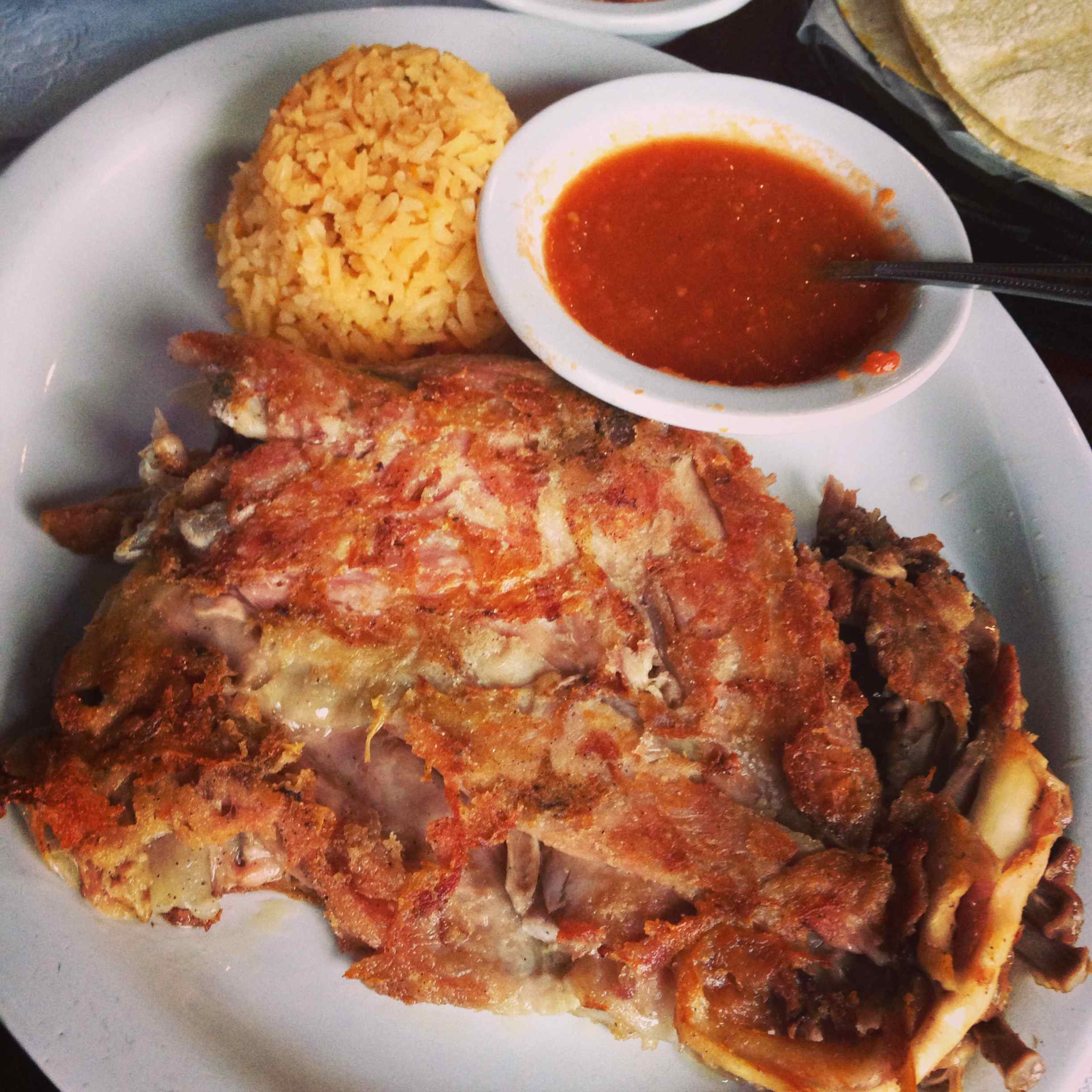
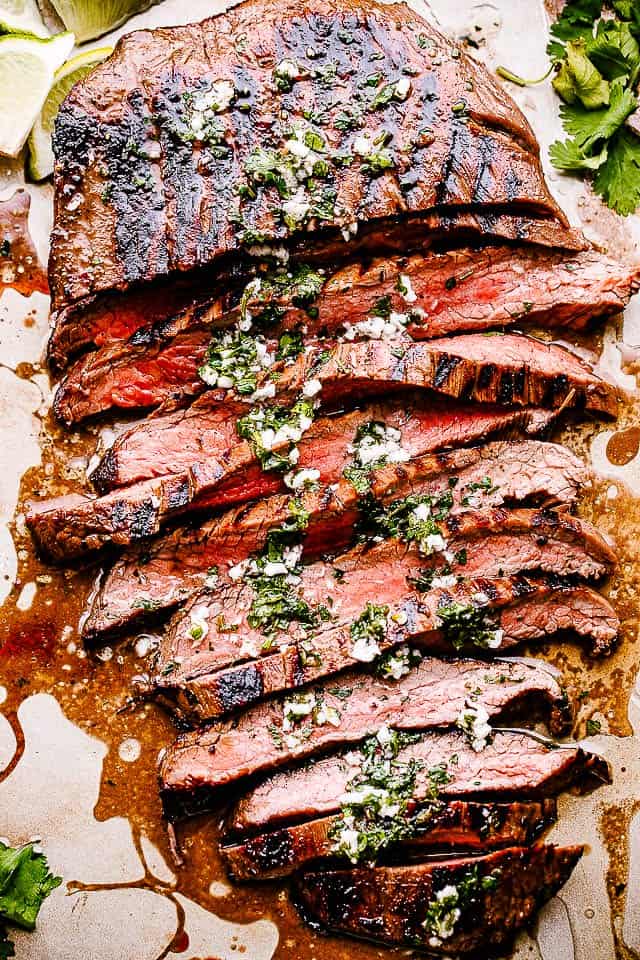
Monterrey's food is built around fire, salt, and meat. Cabrito al pastor — young goat roasted over live coals — dates back to the 16th century northern Mexican ranching tradition. Walk along Calle Morelos and the smell of roasting kid hits you from a block away.
The asador here is a social institution, not just a cooking method. Any significant occasion calls for fire and meat.

Burnt ends were once given away free. The charred tips of a smoked brisket point were offcuts — something to hand to waiting customers at Arthur Bryant's while the real meat was sliced. Kansas City decided they were the best part.
KC barbecue differs from Texas, Memphis, and Carolina styles in its thick, sweet, tomato-based sauce. Burnt ends absorb that sauce while building a caramelised bark that delivers crunch, fat, smoke, and sweetness in one bite.


:max_bytes(150000):strip_icc()/8727930_Lemon-Garlic-Butter-Chicken-Spiedini_Dotdash-Meredith-Food-Studios_4x3-f8f792a2cbd346399b183da4729fbe19.jpg)
The cheesesteak — shaved ribeye on a hoagie roll with Whiz, provolone, or American — was invented by Pat Olivieri in South Philadelphia in 1930. It now defines the city's entire culinary reputation internationally.
Locals will tell you DiNic's roast pork at Reading Terminal Market is actually the city's best sandwich. That internal argument is part of what makes Philadelphia interesting.

:max_bytes(150000):strip_icc()/20230911-GERMAN-PRETZELS-ANDREW-JANJIGIAN-75hero_1-e8187b77b4204a4c9ed5aaa5618fd8f1.jpg)

:max_bytes(150000):strip_icc()/__opt__aboutcom__coeus__resources__content_migration__serious_eats__slice.seriouseats.com__images__20120215-philadelphia-philly-tomato-pie-19-ccc3be706bca4df58a57270fad11c3af.jpg)
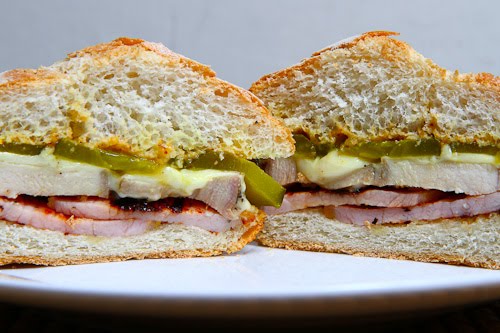
Back bacon cured in yellow cornmeal, sliced thick, griddled, and served on a kaiser roll with mustard. The peameal bacon sandwich at Carousel Bakery in St. Lawrence Market has been sold from the same stall for decades. No other city makes it like this.
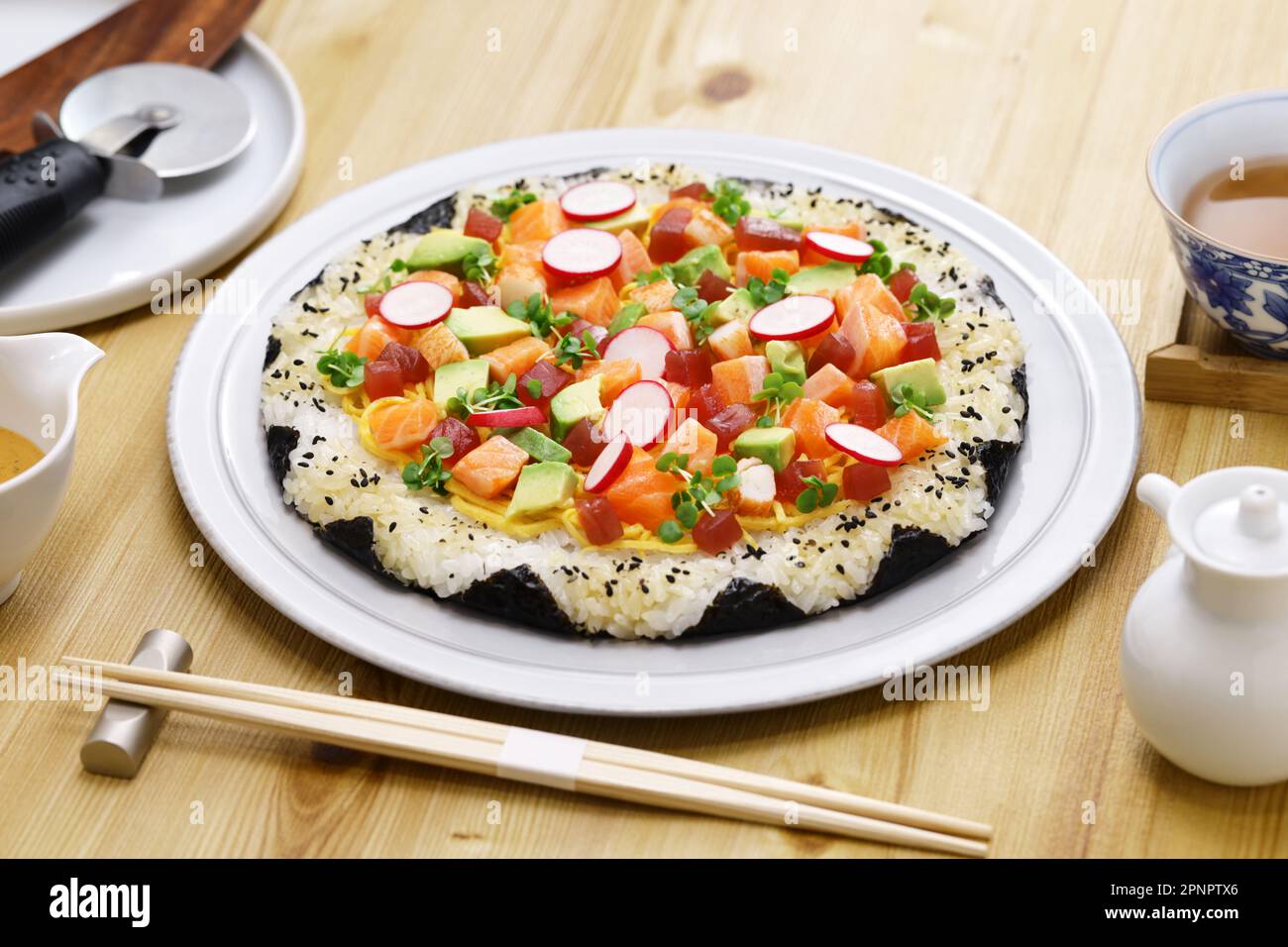
Beyond the peameal, Toronto's food identity runs deep. Jamaican patties, sushi pizza, butter tarts, and poutine — every neighbourhood has a different food story.
:max_bytes(150000):strip_icc()/AR-48540-jamaican-beef-patties-DDMFS-4x3-59d2d741d3684812a3d68f519300906e.jpg)


Cioppino was invented by Italian fishermen in North Beach over a century ago — a tomato-based stew built from whatever came off the boats: Dungeness crab, mussels, clams, Pacific fish. The name derives from the Ligurian dialect word for chopping, as fishermen each contributed a portion of their catch to a communal pot.
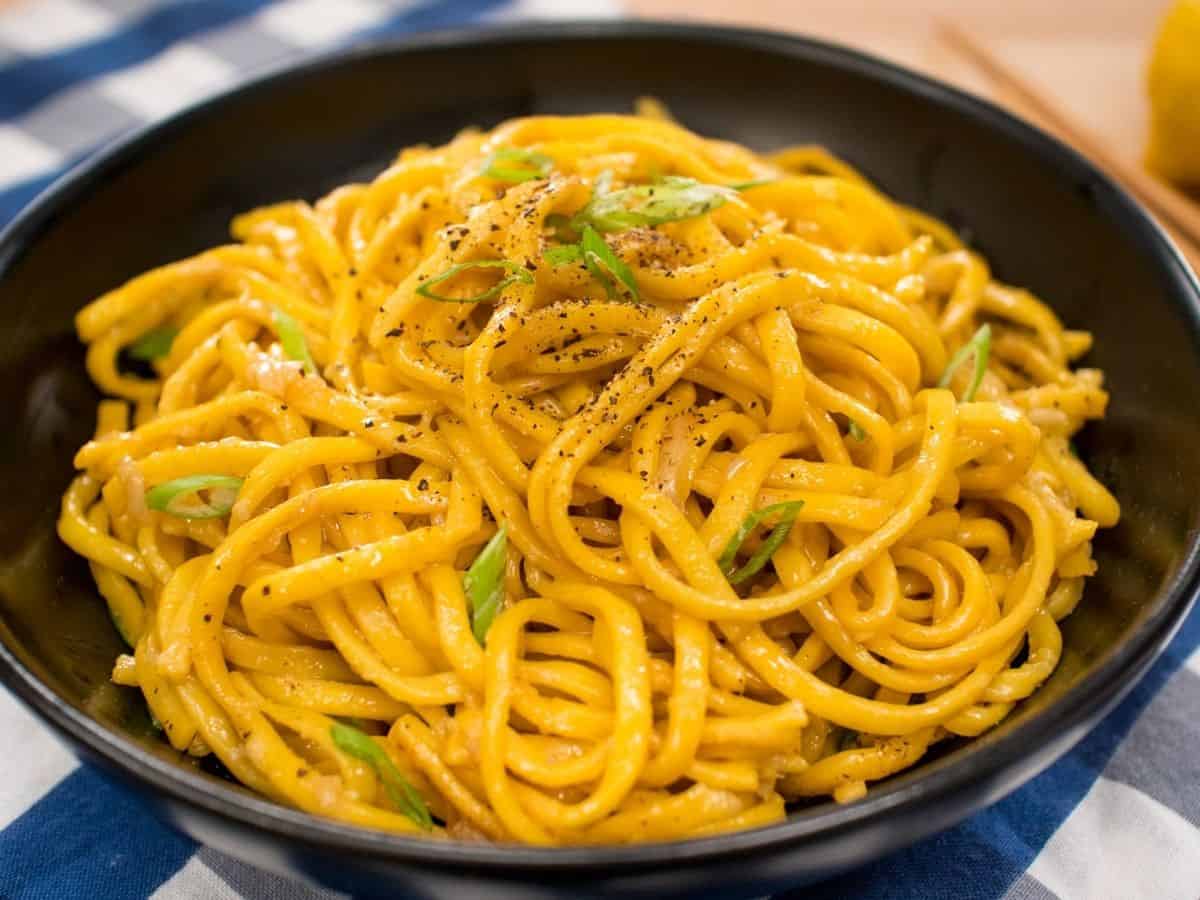
San Francisco also gave the world sourdough, the Mission burrito, the fortune cookie, and garlic noodles. Few cities can claim this many genuinely original food contributions.
:max_bytes(150000):strip_icc()/Cioppino-San-Fransisco-Seafood-Stew-FT-RECIPE0323-1651265d8b624eb9a1f8579c815aca33.jpg)


The Cuban sandwich — pressed Cuban bread, roasted pork, ham, Swiss, mustard, and pickles, flattened until the bread crisps and the cheese melts into everything — is found on almost every corner in town. That ubiquity is the point. It is everyday food.
Croquetas from walk-up windows. Fritas spiced with chorizo. Key lime pie made with actual Key limes. And a cafecito, the intensely sweet Cuban espresso, is how Miami starts every morning.


:max_bytes(150000):strip_icc()/Southern-Living_Key_Lime_Pie_013-7739d9ed7e5e41f18b57f299e8a7953c.jpg)


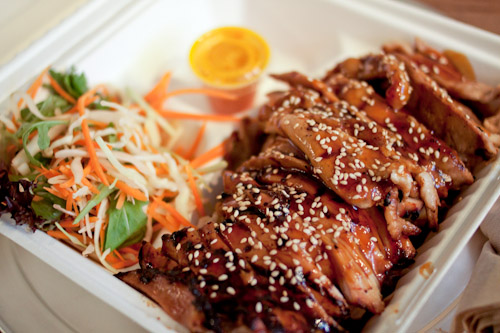
Salmon has been central to the region's Indigenous food culture for thousands of years — smoked over alder, cedar-planked, cured, or served raw at Pike Place Market. Seattle-style teriyaki, developed by Korean immigrant restaurateurs in the 1970s, bears almost no resemblance to Japanese teriyaki and anchors a genre of restaurant found only here.
The Seattle Dog is a grilled hot dog topped with cream cheese and caramelised onions. Geoduck, the enormous Pacific clam prized in Asian cuisines, is the wildcard that stops every visitor in their tracks.
:max_bytes(150000):strip_icc()/AR-109297-cedar-planked-salmon-DDMFS-2x1-937d3e184c9c4bea9dc5a4798d7e8923.jpg)
:max_bytes(150000):strip_icc()/140716-seattle-cream-cheese-dogs-VAT-001-4x3-8cfe7cc255e4483b92e3ee57919f3750.jpg)
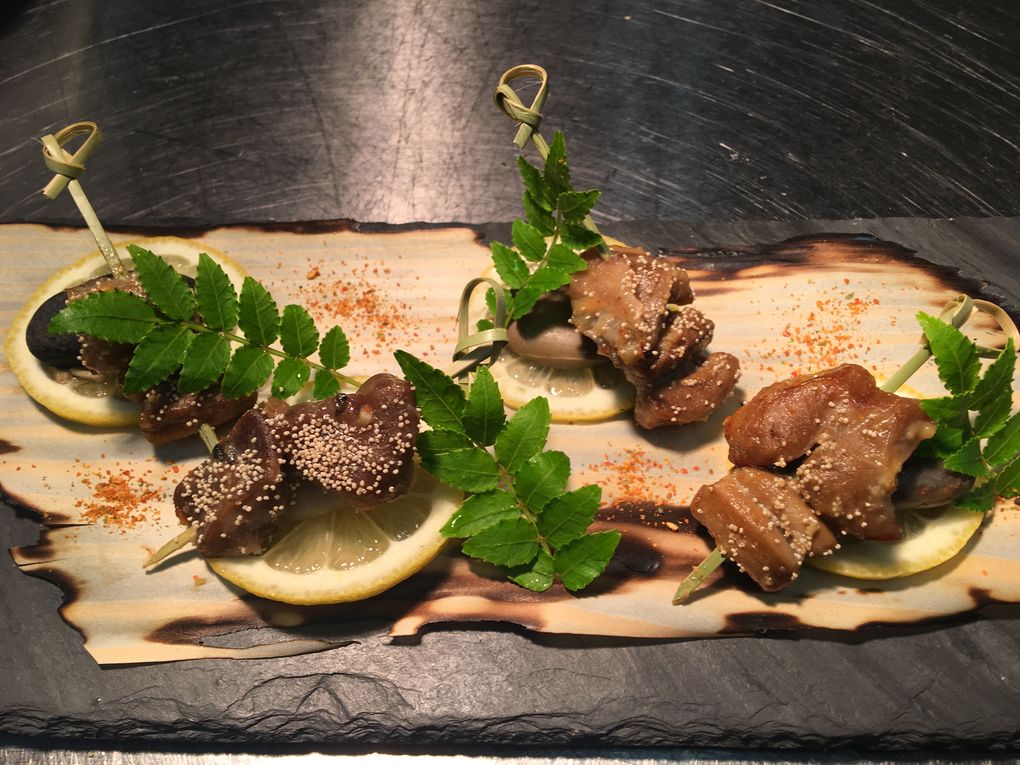
The Japadog was created by Noriki Tamura in 2005 — a grilled sausage topped with teriyaki sauce, Japanese mayo, seaweed, and daikon. It encapsulates Vancouver's Pacific identity, its Japanese culinary influence, and its street food culture in a single handheld snack.
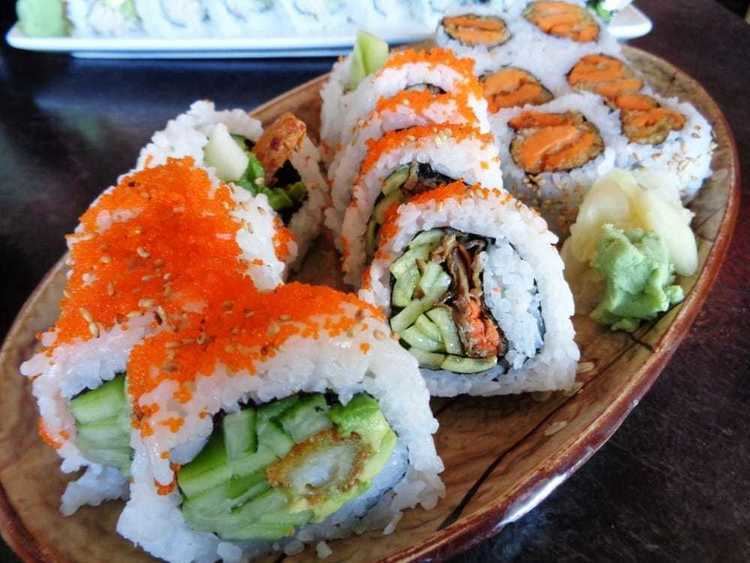
Spot prawns, available fresh from boats at False Creek from May onwards, are among the most prized seasonal ingredients on the West Coast. The B.C. Roll — a Vancouver sushi invention using cooked salmon skin — is now found across the country.

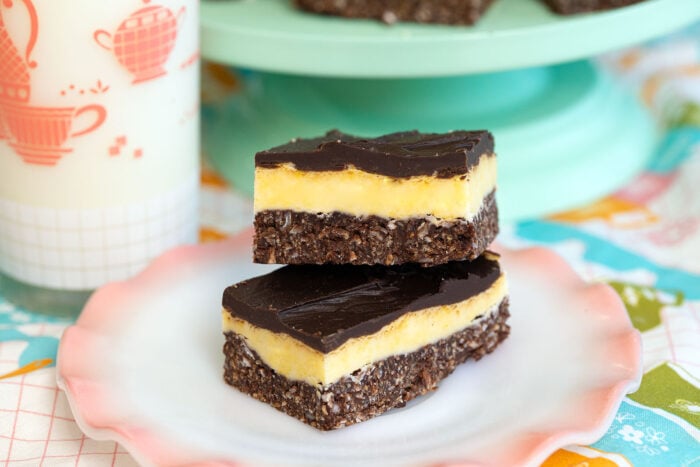


Busy Bee Café has served soul food on Martin Luther King Jr. Drive since 1947. Paschal's fed civil rights leaders during the movement. The connection between Atlanta's fried chicken culture and the city's Black culinary heritage is the story, not a footnote.
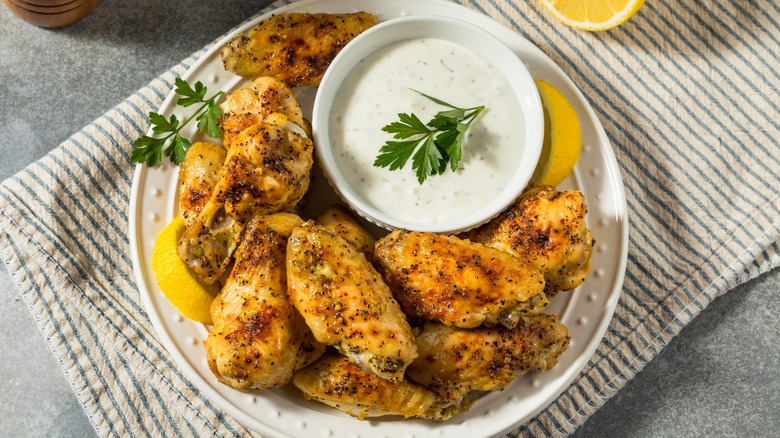
Lemon pepper wings are Atlanta's modern expression of that tradition — a flavour combination multiple sources describe as uniquely this city's. The Varsity chili dog, served since 1928, completes the picture.
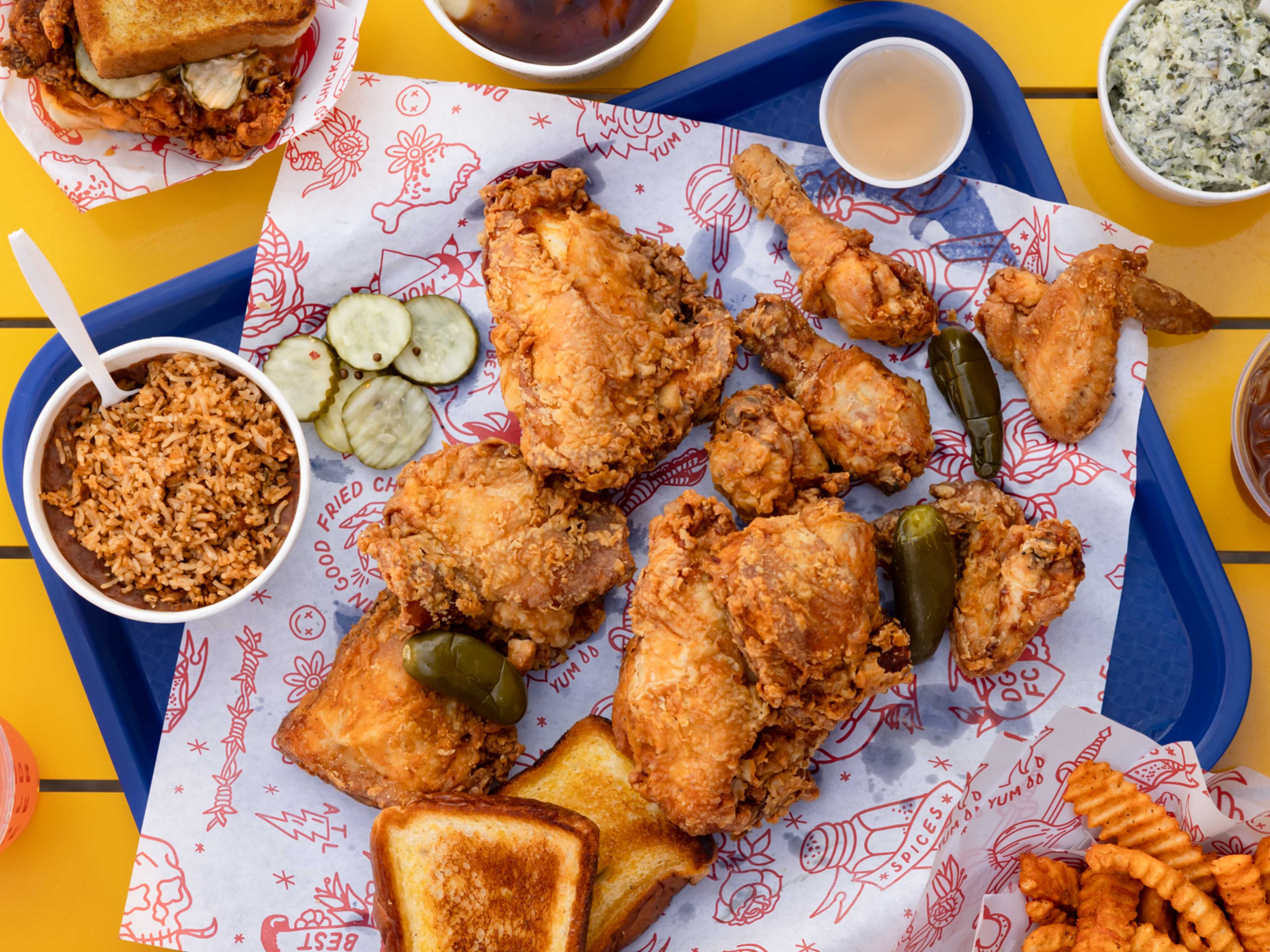

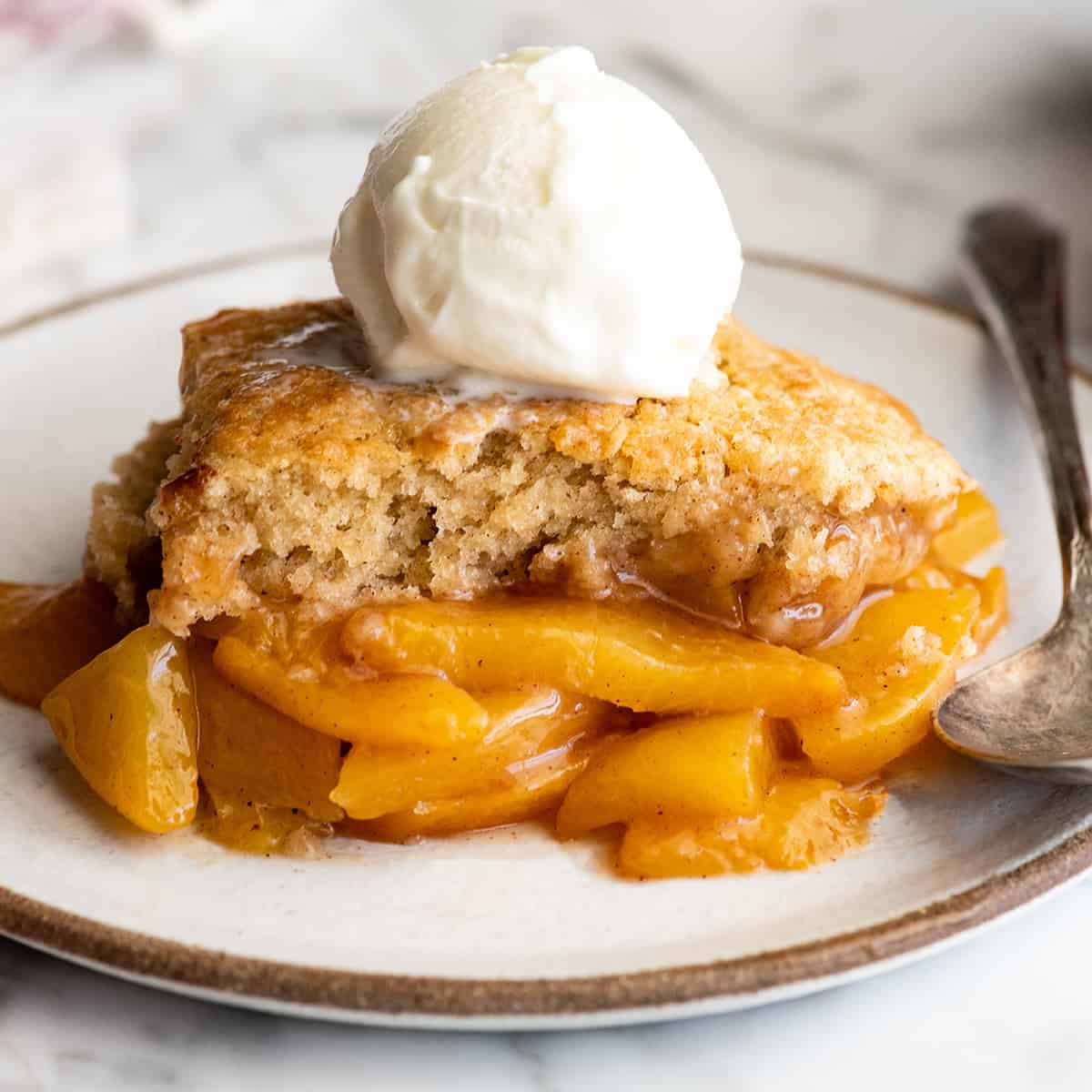

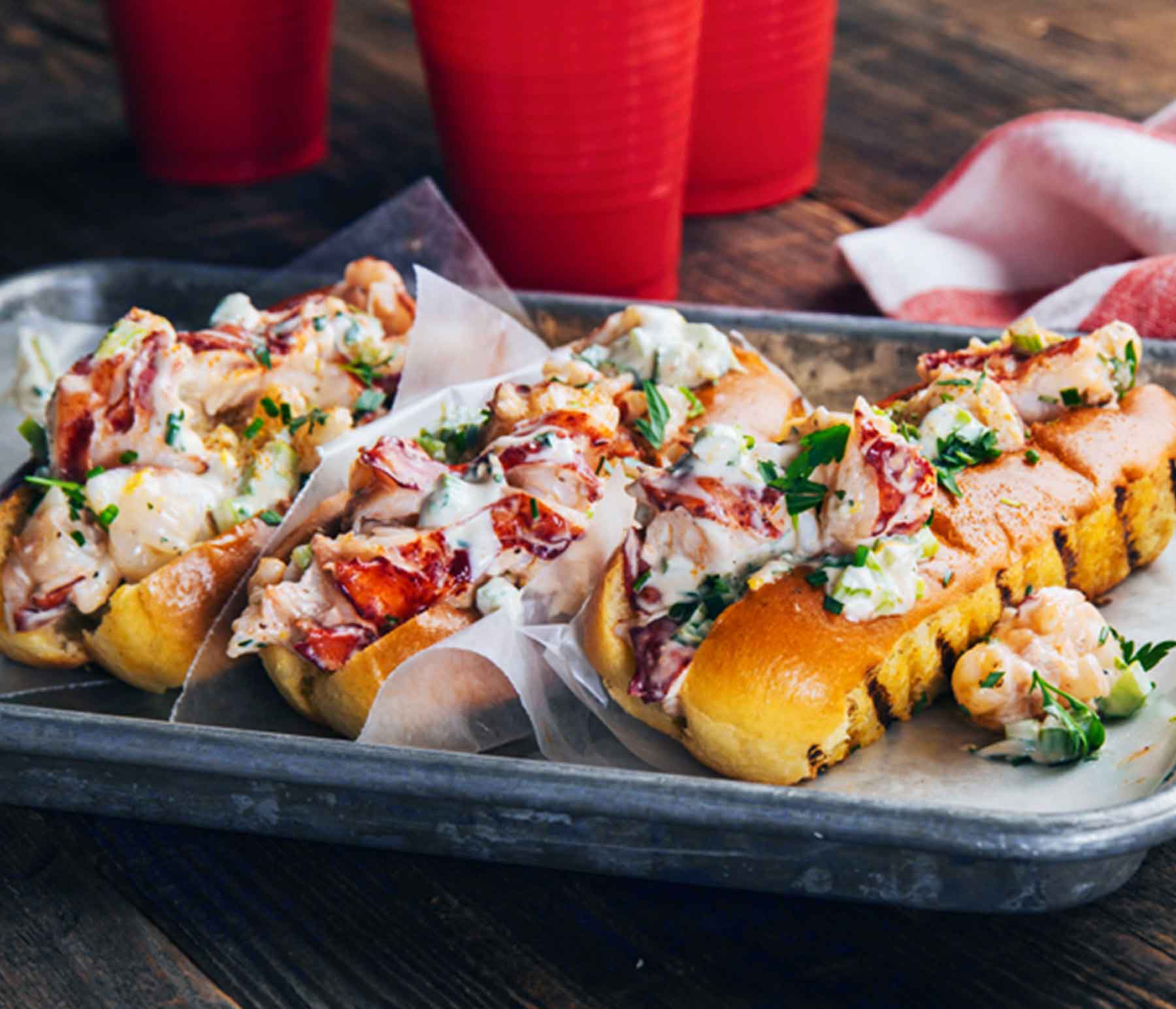
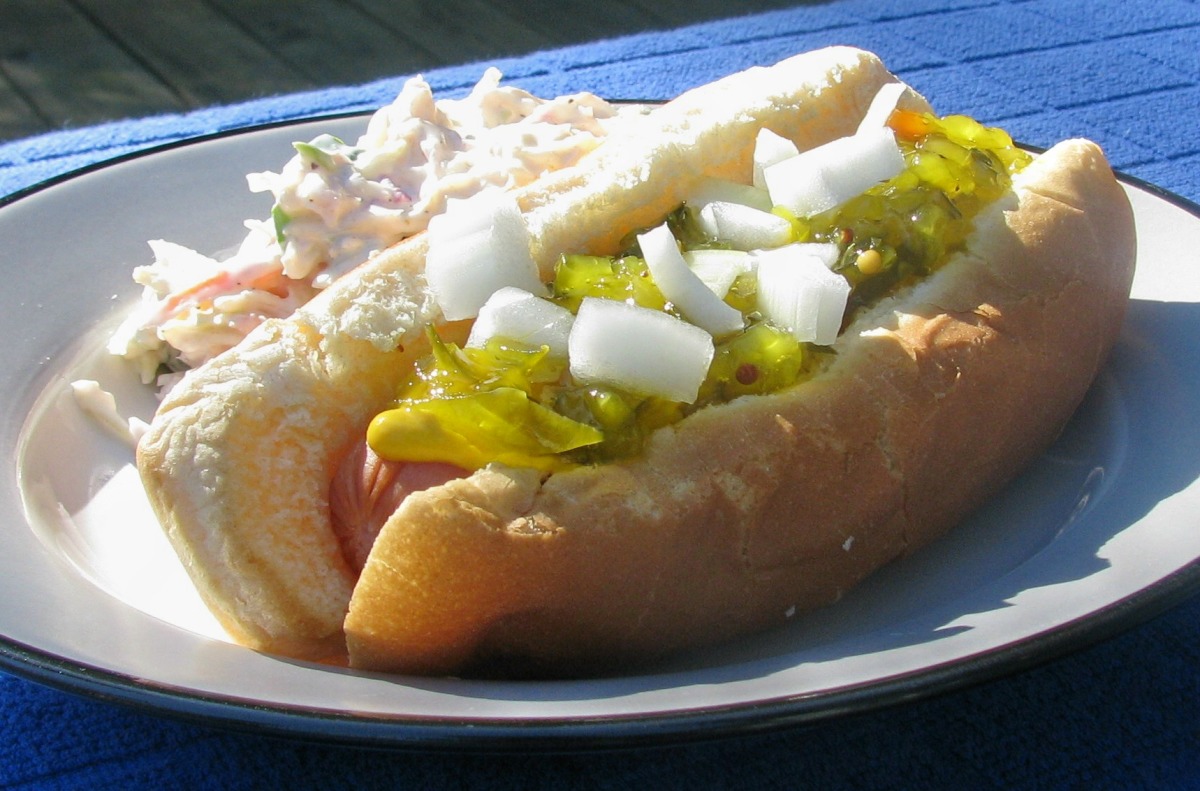
Cold chunks of claw and knuckle meat dressed in mayo on a toasted split-top bun. Simple food done with exceptional ingredients — which is exactly what New England cooking is at its best.
Boston cream pie was invented at the Omni Parker House in 1856 and is the official dessert of Massachusetts. The North End delivers cannoli at every pasticceria on Hanover Street. The Fenway Frank earns its place on sporting credentials alone.
:max_bytes(150000):strip_icc()/20240408-SEA-BostonCreamPie-AmandaSuarez-hero-287a7bd646484451a7f3f414047973a6.jpg)
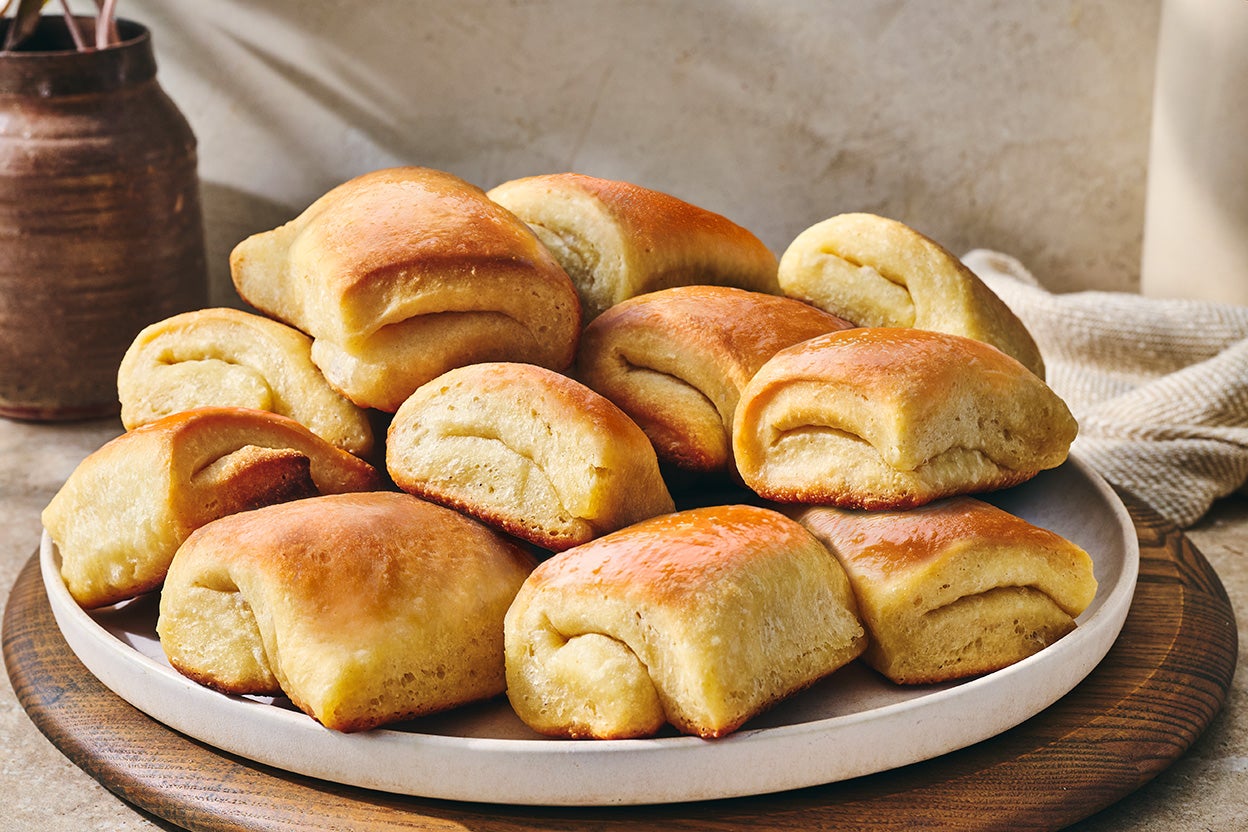

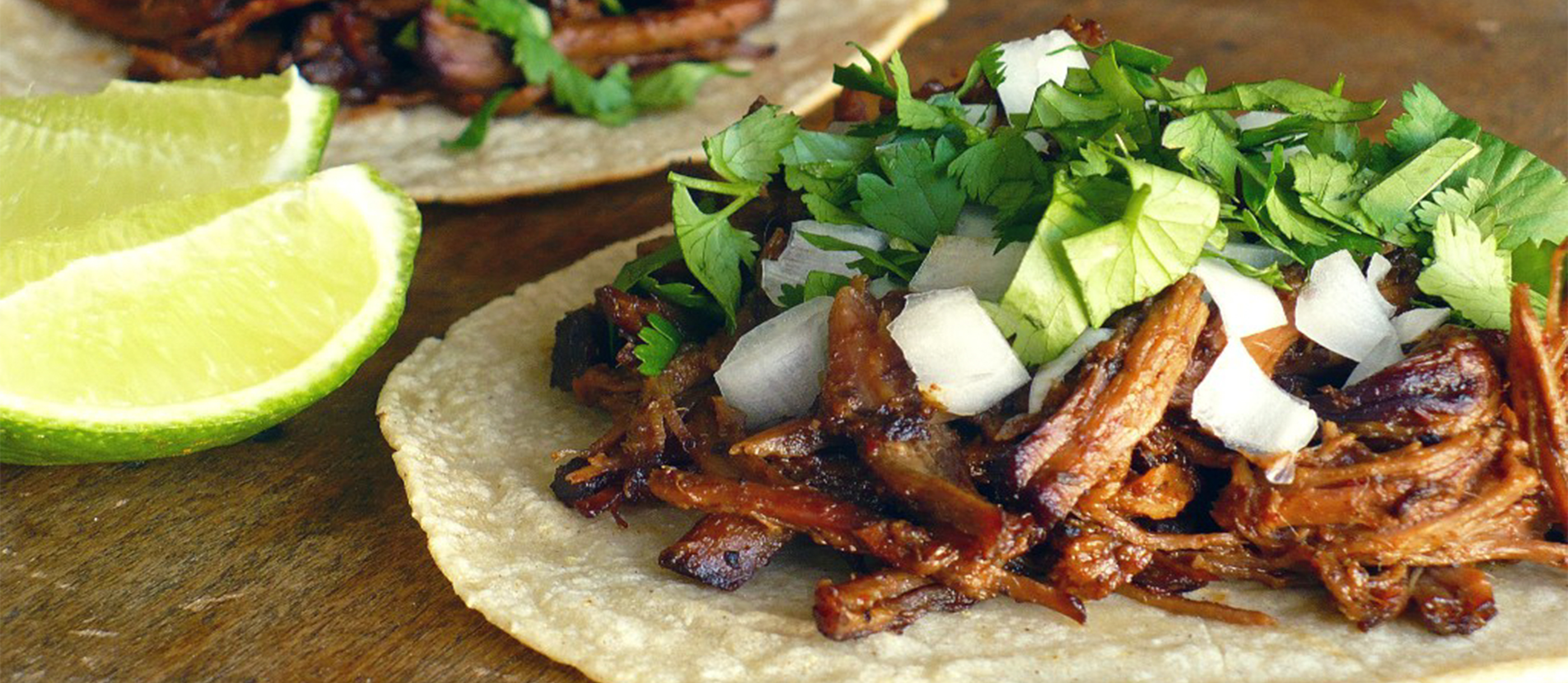
Tacos al pastor are marinated pork shaved from a vertical spit — a direct product of Lebanese immigration in the mid-20th century. The trompo is an adaptation of the shawarma. Mexico City is where Lebanon met Mexico and produced something entirely new.
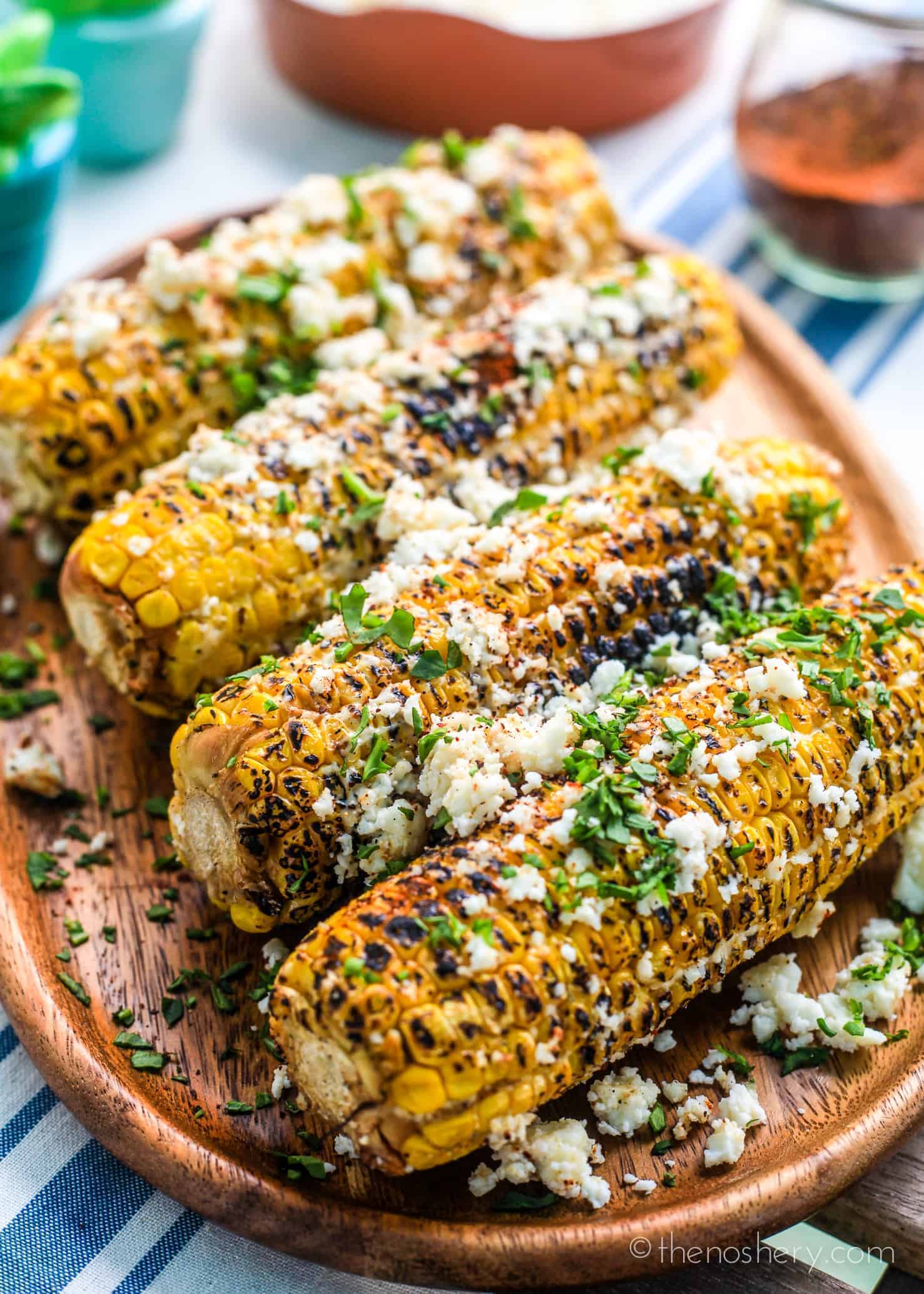
Elotes and esquites on every corner. Huitlacoche, the corn fungus sometimes called the Mexican truffle, for the adventurous. Pulque, the fermented agave drink, in the city's oldest pulquerías.



Brisket tacos are where Texas barbecue and Tex-Mex tradition meet most naturally — slow-smoked beef folded into a flour tortilla with salsa and pickled jalapeños. Pecan Lodge and Lockhart Smokehouse both serve versions that draw queues.
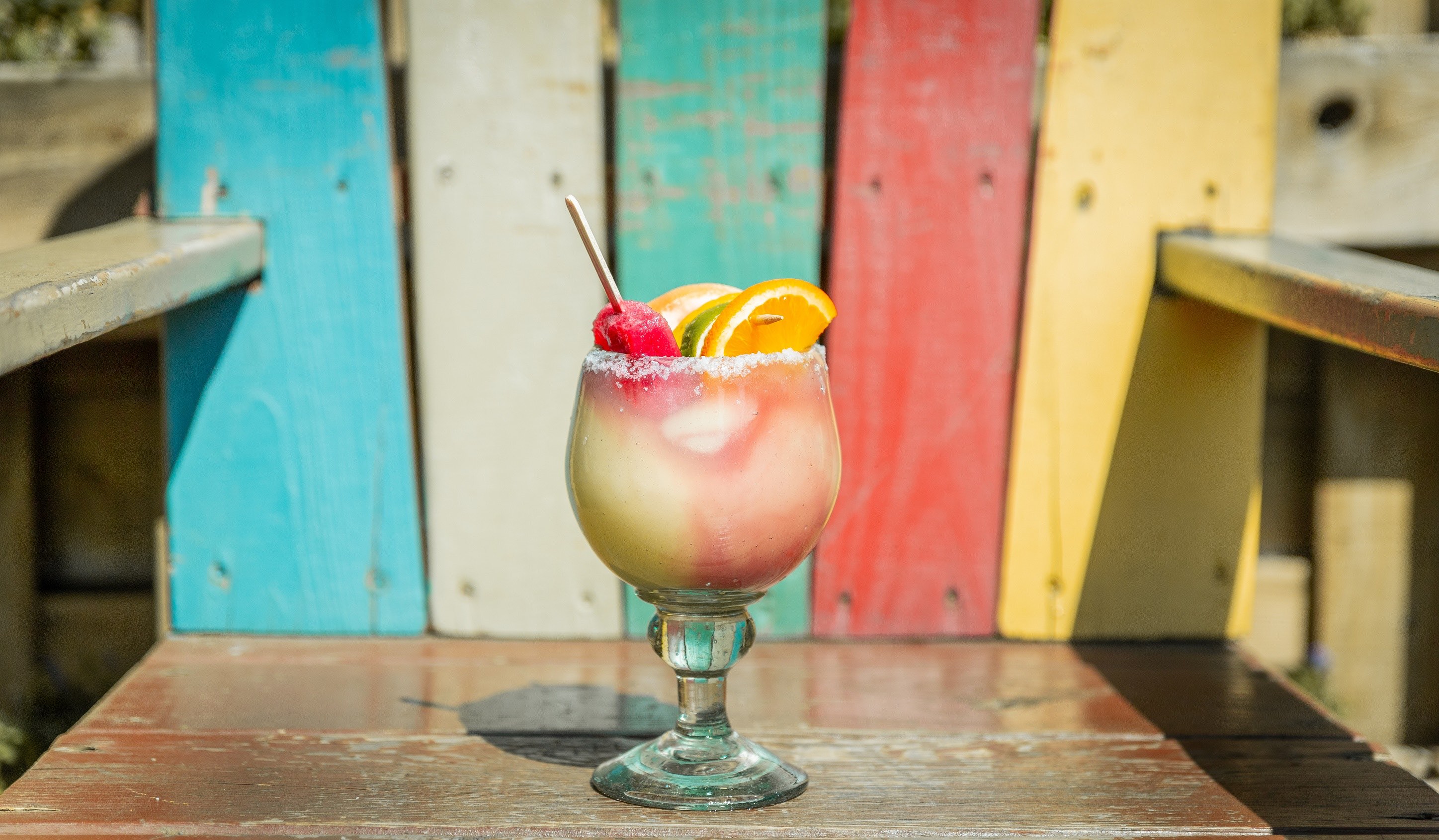
Dallas also holds one of the most specific food invention stories in the tournament: the frozen margarita machine was created here in 1971 by Mariano Martinez using a modified soft-serve dispenser. The original machine is in the Smithsonian.

:max_bytes(150000):strip_icc()/texas-state-fair-pecan-pie-FT-RECIPE0324-f2a33d1273634baebef04e5416f6ed84.jpg)
New York ranks 15th not because its food is unremarkable, but because its most iconic dish has become the world's most replicated food. New York pizza is made everywhere from Tokyo to Nairobi. That is a consequence of the city's cultural influence, not a failure of its food.
What New York has that nowhere else does is depth: bagels from Russ and Daughters, pastrami from Katz's, the chopped cheese from a Harlem bodega, and the egg cream — a New York invention containing no egg and no cream.

:max_bytes(150000):strip_icc()/20210710-halal-chicken-rice-diana-chistruga-seriouseats-1-a6e13a5ffd844e568d421aec70d8bb55.jpg)
:max_bytes(150000):strip_icc()/Egg-Cream-1-FT-RECIPE0623-c573728f4f8f47df9157b2b3de06bef2.jpg)
:max_bytes(150000):strip_icc()/chopped-cheese-FT-RECIPE0725-76cbe240b84f479a8f55d64d070fcafc.jpg)
Los Angeles finishes last on uniqueness for the same reason it leads in almost everything else: it contains multitudes. No single dish defines LA because no single culture defines LA. The taco truck scene, Leo's on a Friday night, Mariscos Jalisco's fried shrimp taco — this is what eating in Los Angeles actually looks like.
LA's strongest claim to a city-specific original is the French dip, invented at Philippe the Original in 1908. The Kogi short rib taco launched the modern food truck movement in 2008. The city invents things. It just shares them with the world immediately.



The Cities With the Most Surprising Food Identities
The cities most associated with world-class food internationally do not lead on city-specificity. Houston ranks second despite rarely appearing in conversations alongside New York, Paris, or Tokyo. Its defining dish was created by a specific community in a specific city and has not yet been globalised. That is precisely why it scores higher than New York pizza.
The three Mexican host cities are the most compelling finding. Despite being neighbours, Guadalajara, Monterrey, and Mexico City present completely different food identities with zero dish overlap across all five categories.
| City | Hero Dish | Uniqueness Rank |
|---|---|---|
| Guadalajara | Torta Ahogada | #1 |
| Houston | Viet-Cajun Crawfish | #2 |
| Monterrey | Cabrito al Pastor | #3 |
| Kansas City | Burnt Ends | #4 |
| Philadelphia | Cheesesteak | #5 |
| New York City | New York Pizza | #15 |
| Los Angeles | Tacos | #16 |
The gap between Houston at second and New York at 15th is the study's defining contrast. Both cities have exceptional, deeply-loved food cultures. Only one of them has a dish the rest of the world cannot replicate.
Expert Comment
"Food uniqueness and food fame are two very different things. The cities that rank highest tend to be places where geography, immigration, and local ingredients converged in a way that couldn't be reproduced. Houston's Viet-Cajun crawfish and Guadalajara's torta ahogada both exist because of very specific local conditions."
"The Mexican host cities are the most compelling finding. Three cities in the same country producing completely different food identities with zero overlap. That tells you something important about Mexican regional food culture that international perception consistently misses."
"The takeaway for any travelling fan is simple: eat where you are. A peameal bacon sandwich means something different at St. Lawrence Market. Context is an ingredient."
Canada Sports Betting Food and Culture Analyst
Where the Real Eating Happens
Guadalajara, a city most international visitors would not place on a World Cup food map, produces the tournament's most irreplaceable dish. Houston holds the strongest city-specific food identity in the United States. Both Canadian host cities rank in the top ten.
Cities in the top half of the ranking are offering dishes that cannot be replicated at home. Cities in the bottom half are offering world-class versions of foods that have already spread globally. Both are worth eating. Only one is truly time-limited.
Eat everything. You will not pass this way again.
Methodology
What we measured. Canada Sports Betting analysed the food identity of all 16 official 2026 FIFA World Cup host cities across Canada, the United States, and Mexico. For each city we identified the most representative hero dish and assigned five food categories: must-try, street food, sweet treat, local original, and wildcard.
How scores were calculated. Each dish was scored out of 100 using a weighted formula: source frequency (35%), local community support (25%), tourist recognition (20%), city specificity (15%), and historical or cultural significance (5%). The uniqueness ranking used city-specificity as the primary ordering factor, with source frequency as a tiebreaker.
Sources used. For each city we reviewed a minimum of six sources including local food publications, national travel guides, food databases (TasteAtlas, Eater), Reddit community threads, and official tourism guides. All 80 dishes across the 16 cities were verified as unique — no dish appears in more than one city's profile.
Exclusions. Dishes associated with national rather than city-specific identity were down-weighted. Generic categories such as "Mexican food" or "Southern cooking" were resolved to the most city-specific individual dish the evidence supported.
Data extracted. June 2026.
Sources
- TasteAtlas: City-by-city food database and rankings
- Eater (city editions): Iconic dishes and food guides for US host cities
- Visit KC: Iconic Kansas City meals and dishes
- The Infatuation: Iconic dishes defining New York and Miami
- Bacon Is Magic: Traditional Guadalajara food guide
- Kansas City Magazine: How Kansas City-famous foods were invented
- Destination Canada: Foodie's guide to Vancouver
- Lonely Planet Vancouver: What to eat and drink in Vancouver
- Reddit communities: r/FoodToronto, r/kansascity, r/Miami, r/AskSF, r/houston, r/askvan
- Allie Eats: Eating like a local in Miami
- PhilaTravelGirl: Iconic Philadelphia foods
- The Emerald Palate: Quintessential Seattle food guide
- FIFA: Official 2026 FIFA World Cup host city information